SME Confidence Tracker Q4 2025:
Updated: 11 November 2025
" Irish SMEs will enter 2026 with a mixture of optimism and realism. While confidence in their own prospects remains strong, many business leaders are voicing frustration that recent government measures have not gone far enough to address mounting cost pressures"
Mark O’Rourke, Managing Director, Bibby Financial Services Ireland
The SME Confidence Tracker Q4 2025 provides a comprehensive view of how Irish businesses are responding to inflation, regulatory change, and global headwinds. Drawing on the latest survey data, the report explores profitability, investment intentions, sector trends, and the impact of new policies like auto-enrolment. Discover how SMEs are adapting, where they see opportunity, and what support they need to thrive in the year ahead.
Top 5 findings you need to read
- 57% of SMEs are profitable, down from 64% in Q1, as cost pressures continue to squeeze margins
- 45% cite inflation and rising expenses as their biggest challenge, with transport, wholesale, and manufacturing most affected
- 91% plan to invest in the coming year, focusing on digital transformation, operational efficiency, and talent
- Only 27% are fully prepared for auto-enrolment pensions, with concerns about payroll costs and admin burden widespread
- 79% of SMEs trading internationally have been impacted by US tariffs, prompting many to seek new export markets or delay investment
Auto-Enrolment: Ready or Not?
Stacked bar chart of preparedness by sector (Fully Prepared / Somewhat Prepared / Not Prepared)
Only 27% of SMEs are fully prepared for auto-enrolment, with readiness lowest in wholesale (21%) and services (24%). 90% of businesses are concerned about increased payroll costs and administrative burden. Many plan to absorb the cost, but a quarter will reduce benefits or delay pay increases, and 18% expect to raise prices. The transition is expected to squeeze margins and may affect hiring and investment decisions
Budget 2026: Falling Short
62% of SMEs say Budget 2026 failed to address rising business costs. The top asks are low-interest loans (39%), tax simplification (34%), and energy relief (27%). Half expect to pass on higher costs to customers, and a quarter anticipate reduced profit margins or workforce cuts. Service-led and wholesale businesses feel the impact most.
Margins Under Pressure
Sectoral bar chart of profitability and bad debt exposure (e.g., % profitable by sector, % with large bad debts)
Profitability has slipped to 57%, down from 64% in Q1, as cost pressures mount. Inflation and rising expenses are the top challenges, cited by 45% of businesses. Cashflow constraints, late payments, and bad debt are squeezing margins, especially in construction and manufacturing. SMEs with stable cashflow are much more likely to be profitable (75%).
Sector Stories
Stacked bar chart of sales expectations by sector (Net increase, Net decline, Stay the same)
Services and wholesale are the most confident about growth, with 85% optimistic about 2026. Construction faces the steepest hurdles, with access to finance (24%), late payments, and bad debt weighing heavily. Manufacturing remains steady but exposed to global volatility, while transport is investing in technology adoption (36%) to offset rising costs. Sectoral differences highlight the need for tailored support.
About the tracker
The SME Confidence Tracker is Ireland’s leading independent survey of business sentiment, challenges, and opportunities. Now in its fourth year, it draws on responses from over 250 SME owners and decision makers across all major sectors. The Tracker provides actionable insights on profitability, investment, policy impact, and sector trends. It’s a trusted resource for business leaders, advisors, and policymakers.
S.Horizontal bar chart of top policy asks (Low-interest loans, Tax simplification, Energy relief, etc.)
Finance Gets Tougher Pie chart of reasons for not using external finance (Debt aversion, Cost, Lack of knowledge, etc.)52% of SMEs report that access to finance has become more difficult, especially in manufacturing (63%) and among female-led businesses (43%). The main barriers are reluctance to take on debt (23%), high costs (19%), and lack of knowledge about options (14%). Only 62% of SMEs using external finance are profitable, compared to 54% of those not using it. Economic uncertainty and fear of rejection also hold some businesses back.
Discover more of our blogs

Quarter 3, 2024 / 1 July 2024
SME Confidence Tracker Report 2024
The SME Confidence Tracker 2024 survey provides insights into the challenges and opportunities faced by Ireland's SMEs.
Read more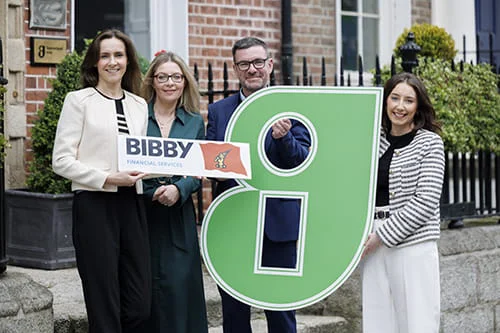
Updated: 23 August 2024
Bibby Financial Services: Proudly Irish, Honoured with Guaranteed Irish Symbol
BFS has been awarded the coveted Guaranteed Irish symbol. The move is a strong recognition of the 18+ year track record of BFS in Ireland.
Read more
Updated: 19 February 2026
Do you qualify for Invoice Finance?
What criteria and eligibility requirements does your business need to meet before they can apply for an invoice finance facility
Read more